Kuchipudi Heritage
A Living Classical Tradition
An introduction to the history and artistry of the Kuchipudi dance form. This page is about the dance itself — its roots, language and repertoire — rather than the history of our academy.
What is Kuchipudi?
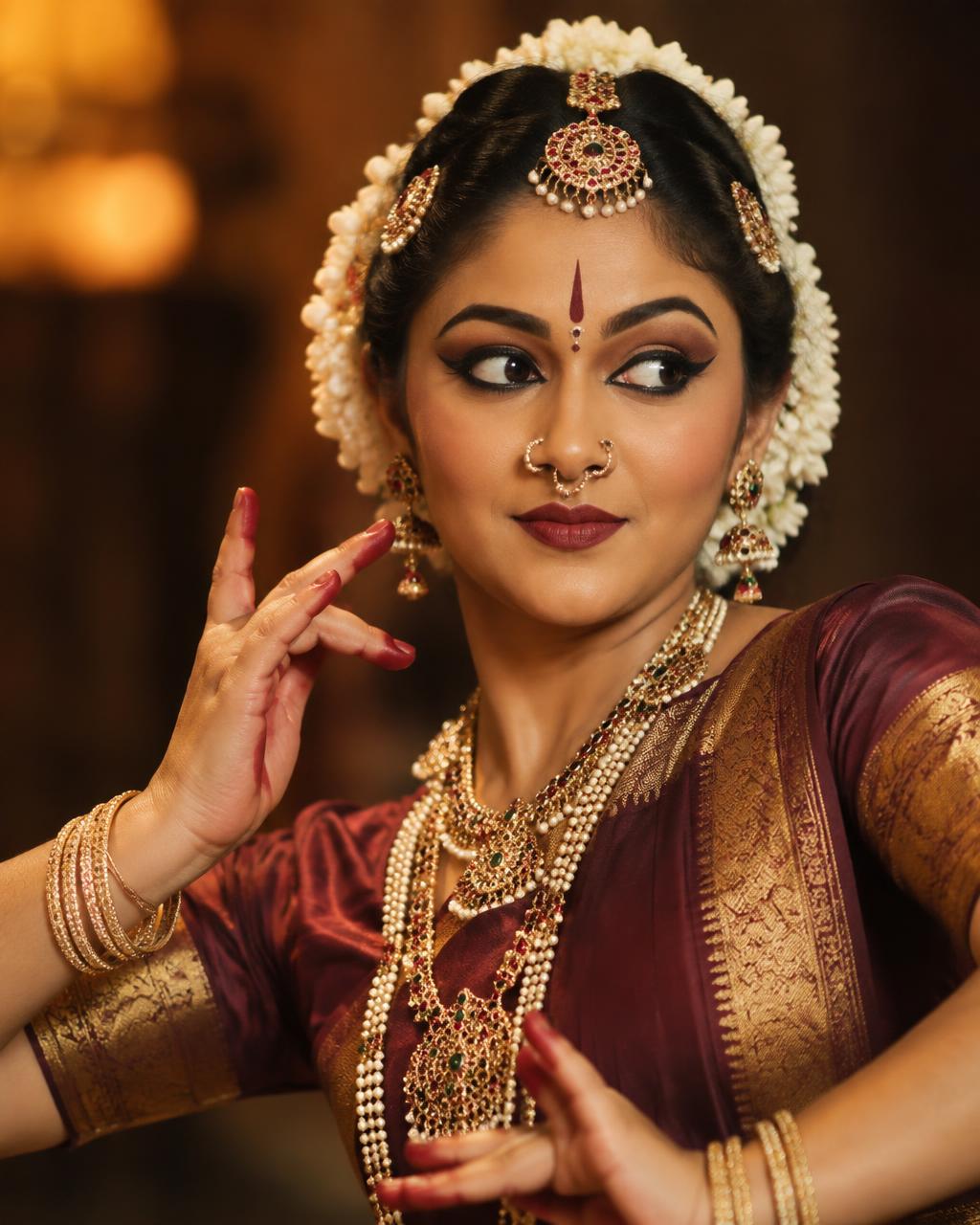
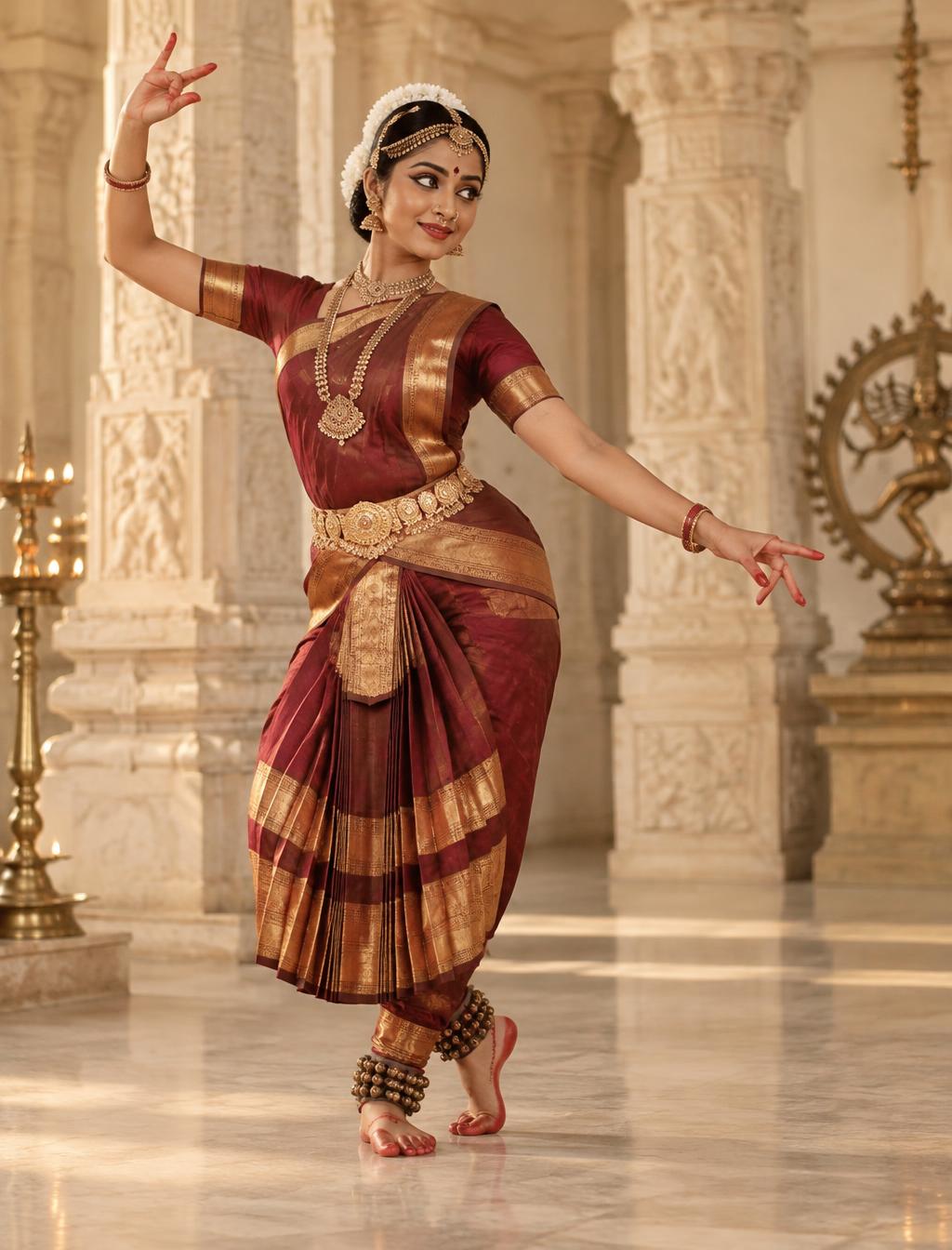
Kuchipudi is one of India’s recognised classical dance forms. It combines brisk, rhythmic footwork with flowing, graceful movement and rich facial expression.
Its character is often described as lively and lyrical at once — a dance that can sparkle with rhythm one moment and move an audience with quiet emotion the next.
Roots in Andhra Pradesh
The dance takes its name from Kuchipudi, a village in the Krishna district of Andhra Pradesh, long associated with the families and performers who nurtured the tradition.
Over generations, the form travelled from village performance spaces to concert stages across India and the world, while keeping its Telugu cultural roots.
The Dance-Drama Tradition
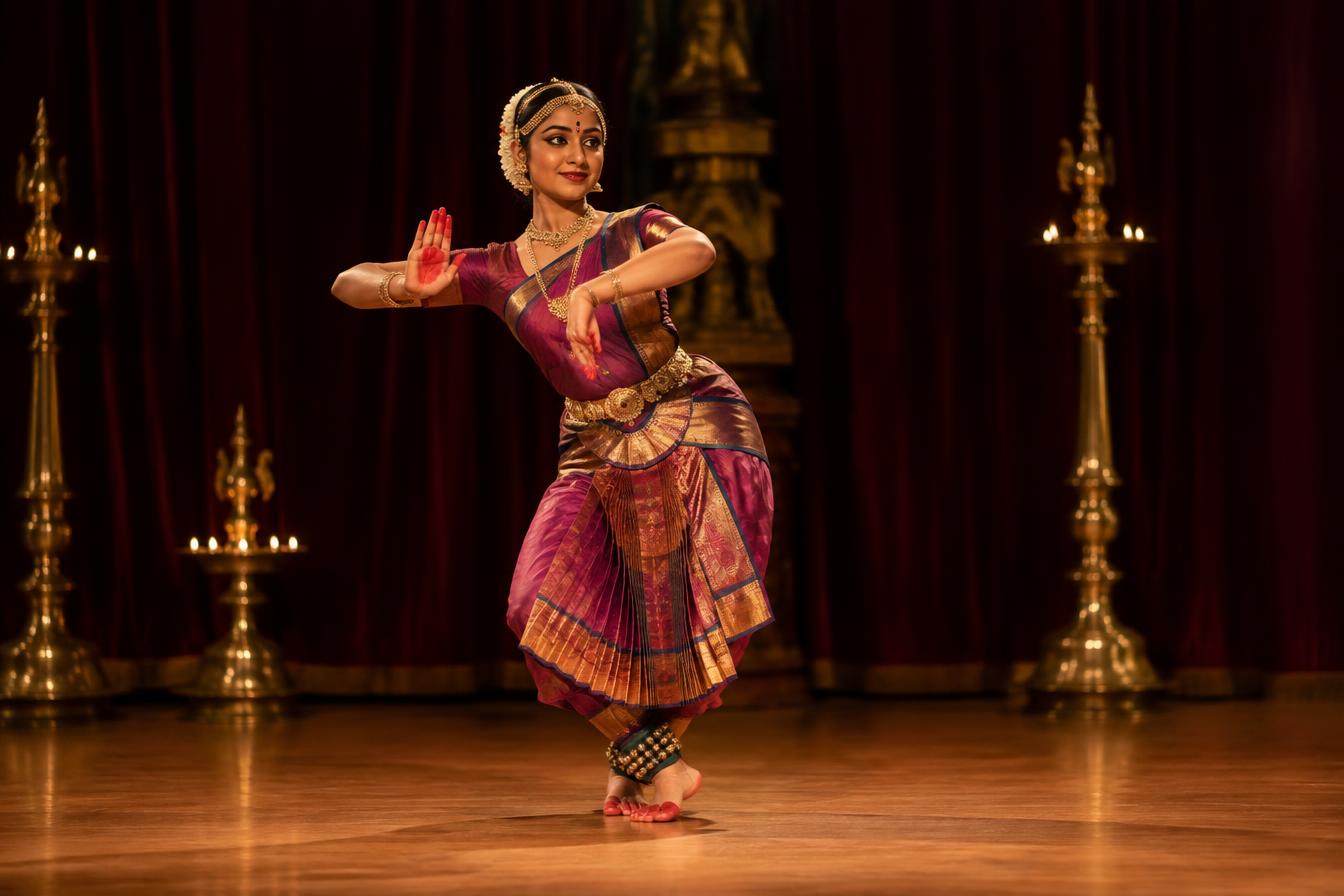
Kuchipudi grew from a tradition of dance-drama, in which performers enacted stories drawn largely from Hindu mythology and devotional literature.
Characters are introduced, emotions are portrayed and narratives unfold through a blend of dance, music and acting — which is why storytelling remains central to the form today.
Rhythm, Movement & Expression
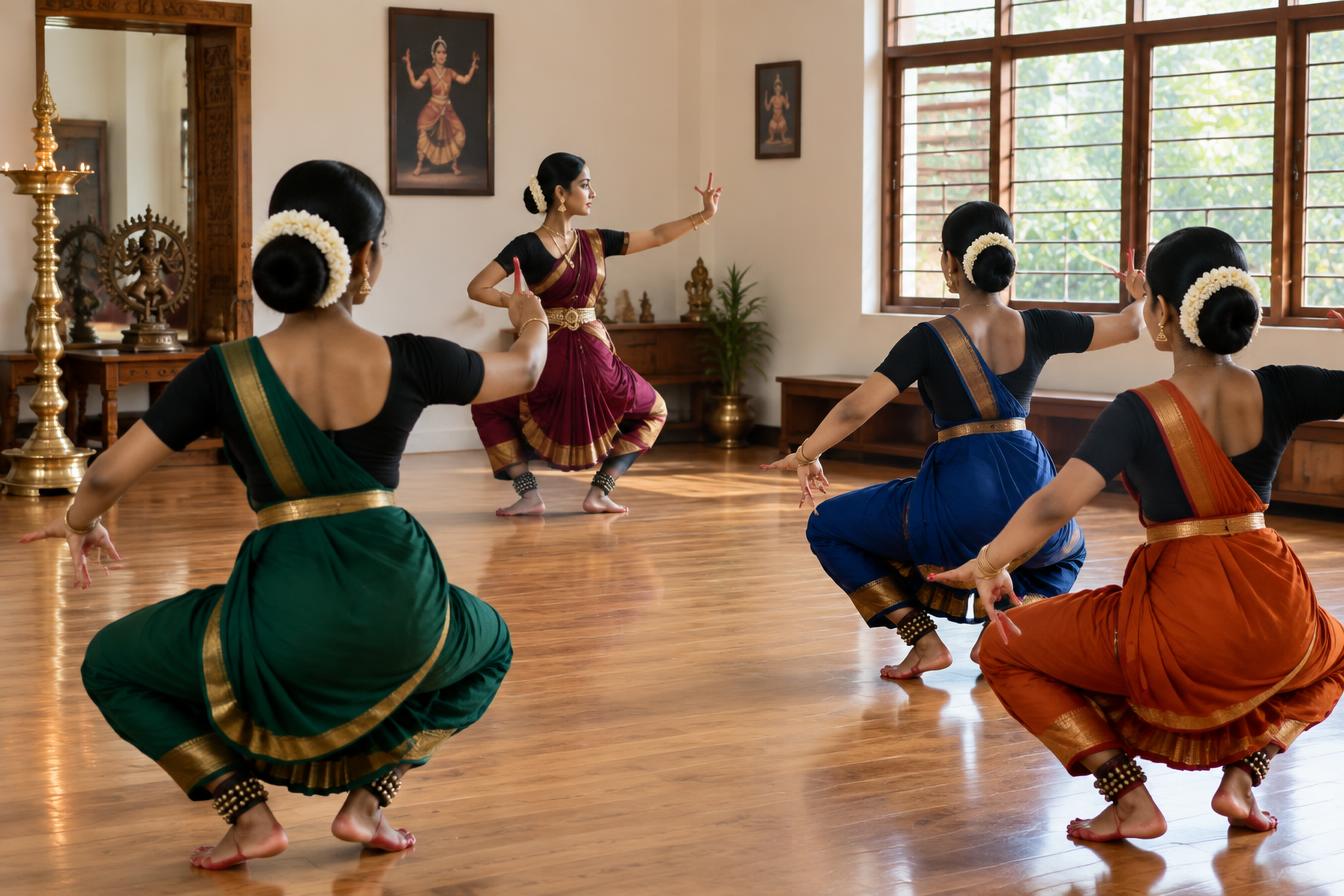
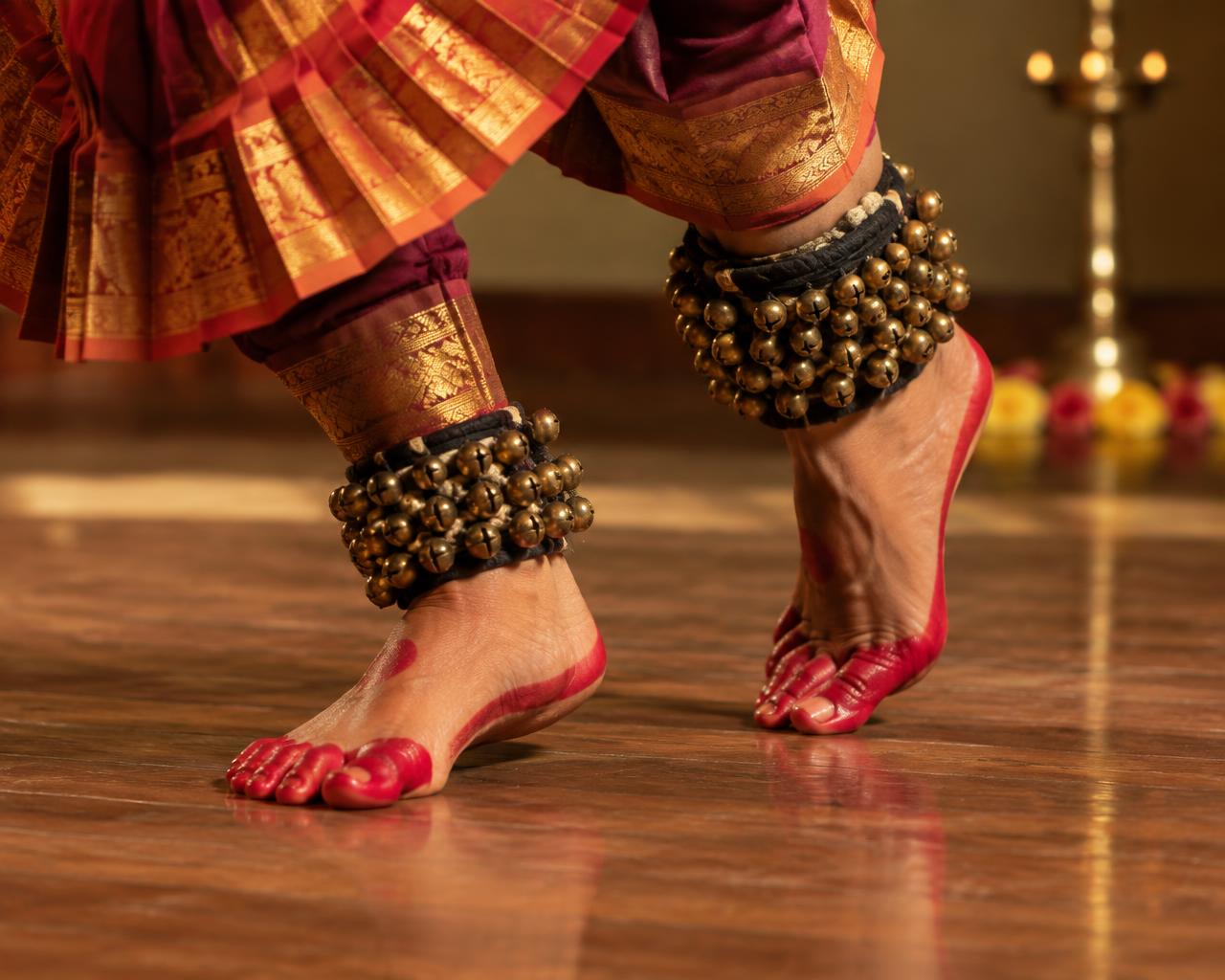
Footwork in Kuchipudi is crisp and intricate, with ghungroo (ankle bells) making each rhythm audible.
These rhythmic passages are balanced by soft, rounded movements of the body and arms, giving the dance its distinctive flow.
The Three Aspects
Nritta, Nritya & Natya
Classical Indian dance is often understood through three interwoven aspects.
Nritta
Pure dance — rhythmic movement and patterns performed for their own beauty, without telling a specific story.
Nritya
Expressive dance — rhythm combined with gestures and facial expression to convey meaning and emotion.
Natya
Dramatic presentation — the theatrical element, where the dancer portrays characters and a story unfolds.
Hastas and Abhinaya
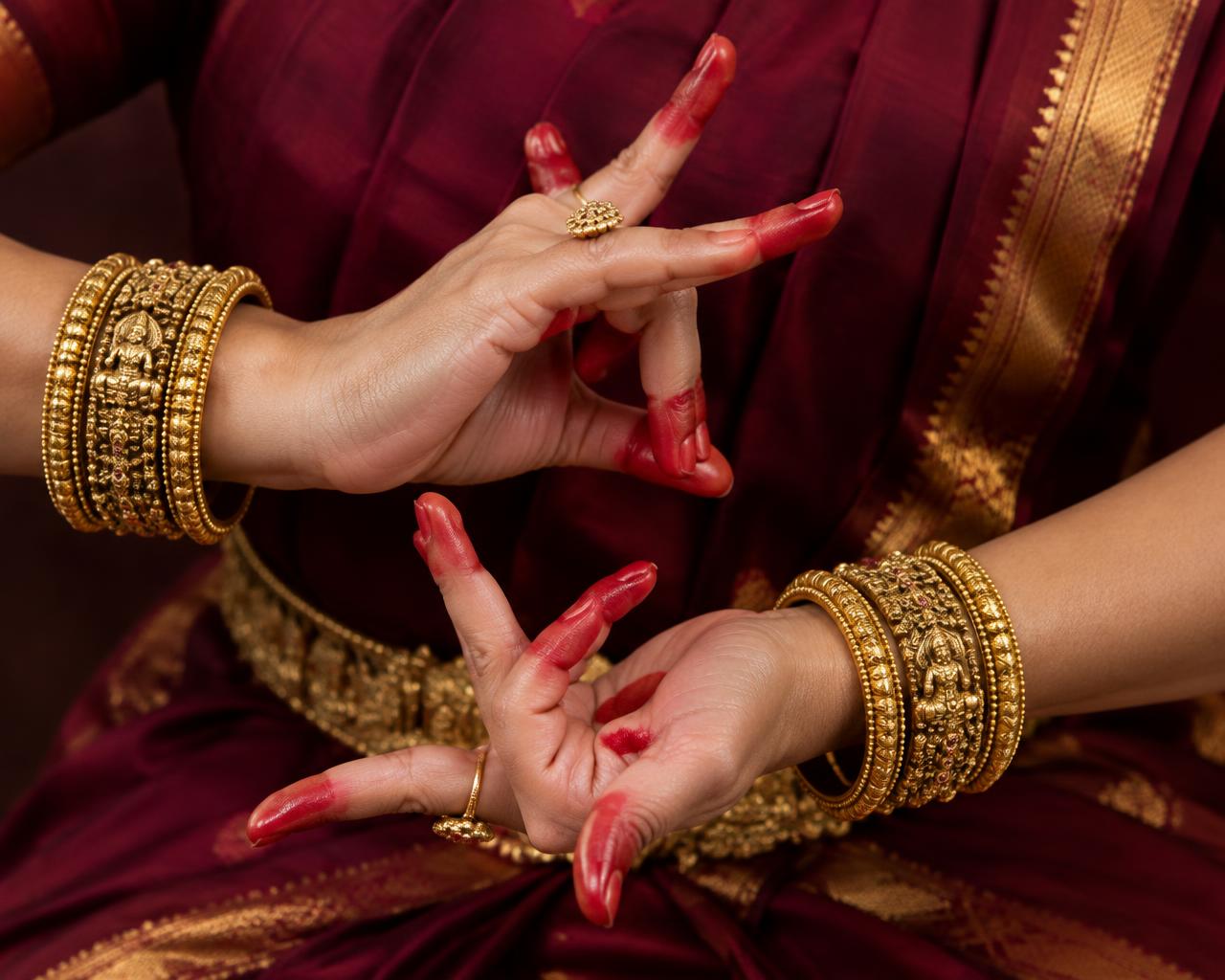
Hastas (also called mudras) are hand gestures that can depict objects, actions, nature, characters and ideas.
Abhinaya is the art of expression — communicating emotion and story through the face, eyes, gestures and body. Together, they allow a dancer to speak without words.
Costume, Jewellery & Music
Performers typically wear a stitched silk costume with pleats that open beautifully during movement, along with traditional temple-style jewellery, flowers in the hair and ghungroo at the ankles.
Kuchipudi is set to Carnatic music. Accompaniment commonly includes vocal music, mridangam, and instruments such as violin, flute or veena, with a nattuvanar keeping rhythm — though the ensemble varies from performance to performance.
Tarangam
Tarangam is one of the most recognisable pieces in the Kuchipudi repertoire. In many presentations, the dancer performs rhythmic passages while balancing on the rim of a brass plate, sometimes with a small pot of water on the head.
It is often linked to devotional verses, and it showcases control, balance and rhythmic mastery. Not every performance includes it, and approaches differ between teachers and styles.
Continuing the Tradition
Kuchipudi survives and grows because each generation learns it with dedication. Joining a class is a way to take part in that story — learning the steps, the music and the meaning behind them, one practice at a time.
Take Your First Step into Kuchipudi
Speak with Indani Reddy to learn about current batches, timings, and how to begin.